
Stefania Gobbi
Do You Need an Interpreter to Get Married in Tuscany?
Most couples planning a Tuscan wedding know to sort the venue, the photographer and the flowers but maybe not the legal side of things.
If either of you does not speak Italian, or if the official witness of the wedding does not speak Italian, then the wedding interpreter (or wedding translator as some call it) is not an optional extra.
For a civil wedding it’s a legal requirement.
I’m a yoga teacher and sommelier, but I also work as a professional interpreter here in Tuscany, including for weddings, so this is a question I’m asked a lot so here is how it works.
One important note first: this is general orientation, not legal advice. The exact requirements change with your nationalities, your comune and the year. Your wedding planner and the town hall are the authorities here. Treat the below as a map of what to ask, then confirm the specifics with them.
The short answer: yes, if you don’t understand Italian
An Italian civil ceremony is conducted in Italian. If one or both of you, or your witnesses, does not understand Italian well enough to follow it, the law requires a professional interpreter to be present and to translate the ceremony. Without one, the registrar can refuse to proceed, and a marriage that wasn’t properly understood can have its validity questioned later. So this isn’t a nice-to-have for the guests’ benefit; it’s part of what makes the marriage legally sound.
The same logic extends to the witnesses and to the paperwork: everything the two of you sign or agree to has to be something you actually understood.
If you are wondering what differentiates an ‘interpreter’ from a ‘translator’: interpreters deal with spoken language in real-time (translating by speaking out loud in the other language, either at the same time or just after), while translators work with written text. But it’s common for the terms to get confused so don’t feel embarrassed about searching for an “Italian wedding translator”!
What the interpreter actually does on the day
It’s more formal than “standing next to you whispering the translation.” A wedding interpreter in Italy is typically:
- Sworn in before the ceremony. The interpreter takes an oath before the registrar, promising to translate faithfully and completely. This is what gives the translation legal standing.
- Translating the legal heart of the ceremony. The officiant reads the articles of the Civil Code that set out the rights and duties of marriage (articles 143, 144 and 147), then the declarations of consent. The interpreter renders all of it, in real time, so you’re agreeing to words you understand.
- Signing the marriage register. The interpreter signs the official act alongside the couple, the witnesses and the officiant, on the record as the person who bridged the language.
In other words, the interpreter is part of the legal machinery of the day, not just a helpful bilingual guest.
Why a bilingual friend usually won’t do
This is the part that catches people out. It’s tempting to ask a fluent friend or a relative to “just translate,” and save the fee. The trouble is that most comuni require an independent professional who can be sworn in, and they may not accept a guest, a relative, or one of your witnesses doing the job. A witness, in particular, cannot also be the interpreter; those are two separate roles.
The risk is real and badly timed: if the town hall doesn’t accept your stand-in on the morning, you have a problem you cannot fix on the spot. Booking a recognised interpreter removes that risk entirely. (And a friend pressed into sworn legal translation, in front of everyone, rarely enjoys the wedding much anyway.)
It’s not only the ceremony
The ceremony is the visible part, but the language gap runs through the whole process, and a good interpreter or translator helps with more than the fifteen minutes at the town hall:
- The paperwork. Foreign couples usually need documents such as a nulla osta (a declaration that there’s no impediment to marrying), plus passports and civil records, often translated and sometimes legalised. Getting these right, in good time, is what keeps your timeline from derailing.
- Meetings. Appointments at the comune, and conversations with suppliers who don’t work in English, go far more smoothly with someone bridging both languages.
- The reception, if you want it. Speeches, a multilingual toast, helping two families who don’t share a language actually talk to each other: optional, but a lovely thing to have.
Civil, symbolic or religious: which one needs it
It depends on the kind of ceremony:
- Civil (legally binding, at the town hall or an authorised venue): this is the one that legally requires the interpreter if you don’t understand Italian.
- Symbolic (no legal weight, often held wherever you like, with the legal marriage done quietly at home): no legal interpreter requirement, though you may still want translation so you and your guests follow along, and you’ll handle the binding paperwork in your own country.
- Religious: varies with the faith and whether it’s also civilly registered; coordinate with both the church and the civil authorities.
If you’re still weighing these up, my overview of planning a Tuscan wedding walks through the wider picture.
When to book, and what to ask
Sort the interpreter early, around the same time you lock the venue and start the paperwork, not in the final fortnight. When you speak to one, useful questions:
- Have you interpreted civil ceremonies at the comune where the weddding will take place, and are you happy to take the oath there?
- Which language pair, and can you also help with document translation and supplier meetings?
- Will you coordinate with my wedding planner on timings and the order of service?
- What do you need from me, and by when?
Your planner can often recommend someone; if not, choose a professional with real civil-ceremony experience.
This is the part of my work that sits a little apart from the yoga and the wine, but it comes from the same place: helping people from elsewhere feel at home, and understood, in Tuscany. If it would help, you can read about my wedding and ceremony interpreting directly.
And because I also teach yoga and pour wine, I often end up helping wedding parties with the calmer side too: a grounding bridal morning, a welcome session for guests, or a sommelier-led wine moment. However you handle the language, sort it early, and the rest of the day gets to be about the two of you. Get in touch if I can help with any of it.

Ready to start your yoga journey?
Book a personalized session with Stefania and discover the benefits of Vinyasa Yoga.
Book Now
Latest posts

Stefania Gobbi
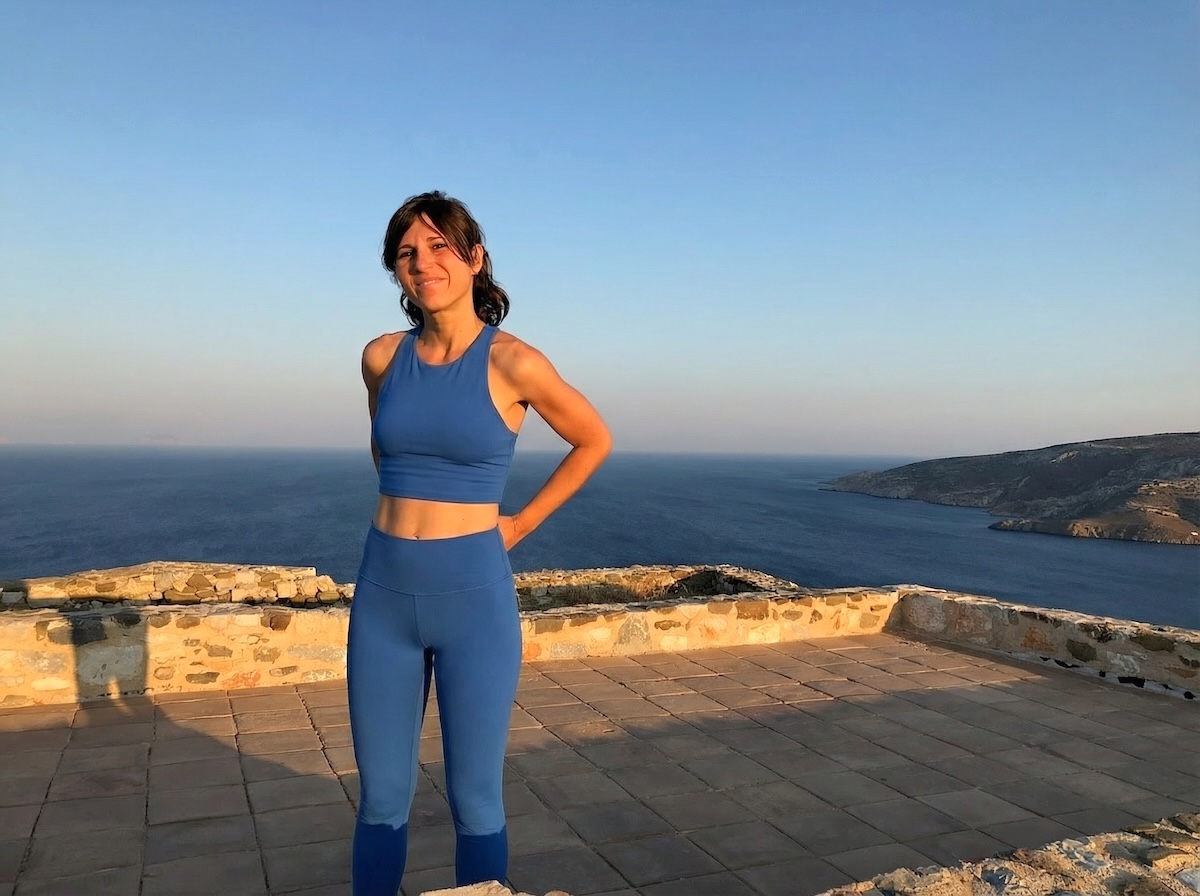
I'm Stefania, a certified Yoga teacher (YTT Jason Crandell Yoga Method) and a Yoga Alliance member. I'm based in the Tuscan hills near Pisa. I've been practicing different styles of yoga for more than 23 years and I can now say that my passion lies in Vinyasa yoga: I'm fascinated by how the physical discipline interweaves with its meditative essence, creating a practice that nurtures both body and mind. As an avid traveller myself, I understand what it means to seek balance while exploring new places. I'm fluent in English, Italian, and Spanish, and also speak French, so we can practice in whichever language feels most natural to you. I'm also an AIS certified sommelier and I'm happy to recommend the perfect local wine to complement your Tuscan experience. I also offer professional interpreting services for visitors to Tuscany.
Book Now